Retaining Wall Installation to Control Erosion and Slopes in Billings, MT
Retaining wall installation in Billings, MT controls erosion on sloped properties, creates level terraces for buildings or landscaping, and prevents soil movement that threatens structures and infrastructure.
What Problems Do Retaining Walls Solve?
Retaining walls hold back soil on slopes exceeding natural stable angles, preventing erosion, creating usable flat areas, and protecting foundations from soil pressure and movement.
Properties on hills naturally experience downslope soil creep as gravity pulls loose material toward lower elevations. Without intervention, this movement undermines structures, creates drainage issues, and leaves steep banks vulnerable to washouts during heavy rain.
Walls transform unusable steep terrain into terraced levels suitable for patios, driveways, or gardens. They also protect existing structures by preventing upslope soil from sliding toward buildings during wet periods.
How Are Retaining Walls Designed for Stability?
Stable retaining walls require proper footing depth below frost lines, adequate drainage behind the wall, and structural design that resists soil pressure and surcharge loads.
Engineers calculate lateral earth pressure based on soil type, slope angle, and any additional loads such as vehicles or structures above the wall. Walls taller than four feet typically require engineering to ensure they can safely resist these forces.
Drainage systems behind walls prevent hydrostatic pressure buildup that can push walls forward or cause failure. Perforated pipes, gravel backfill, and weep holes allow water to escape rather than accumulating behind the structure.
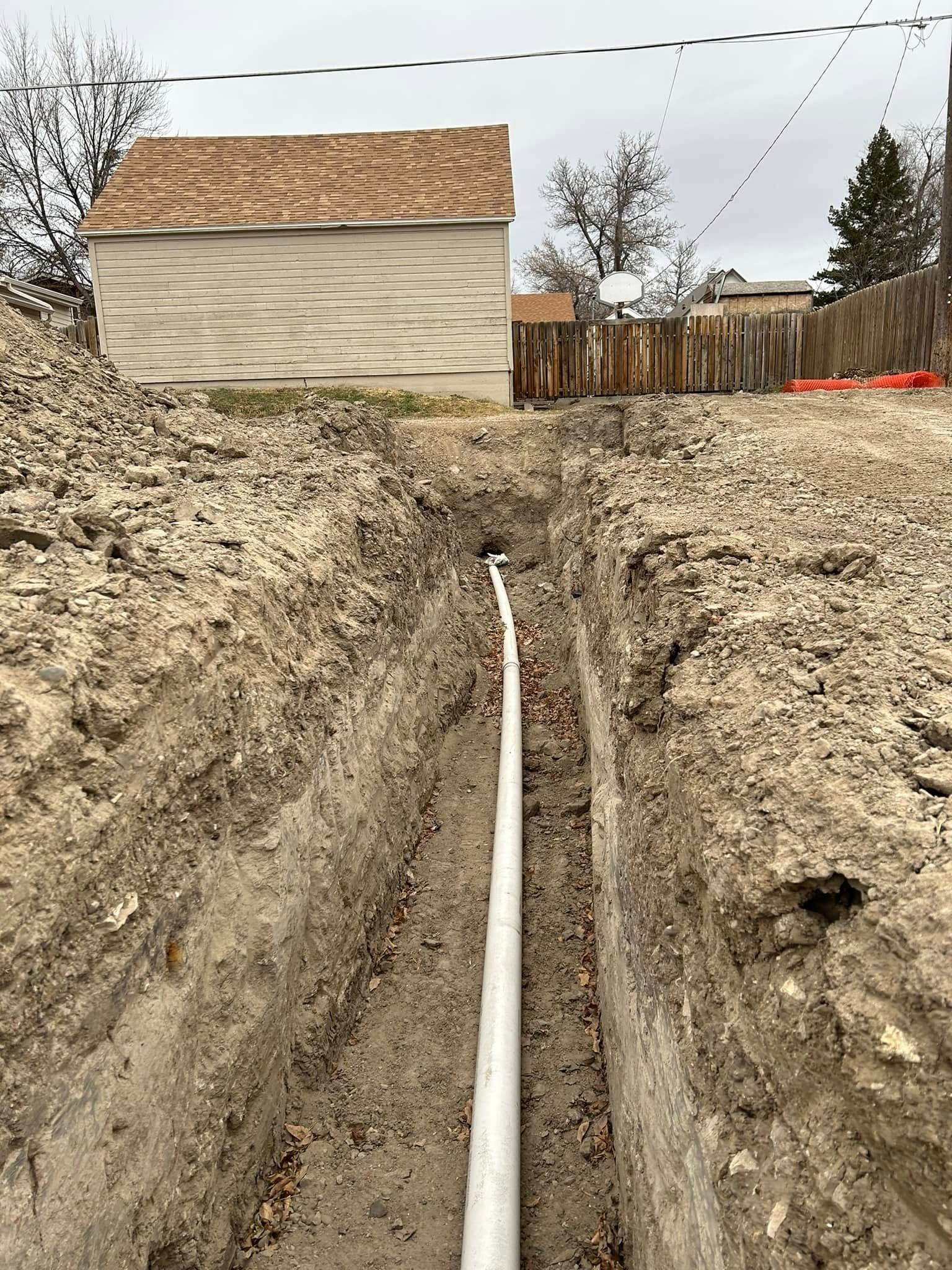
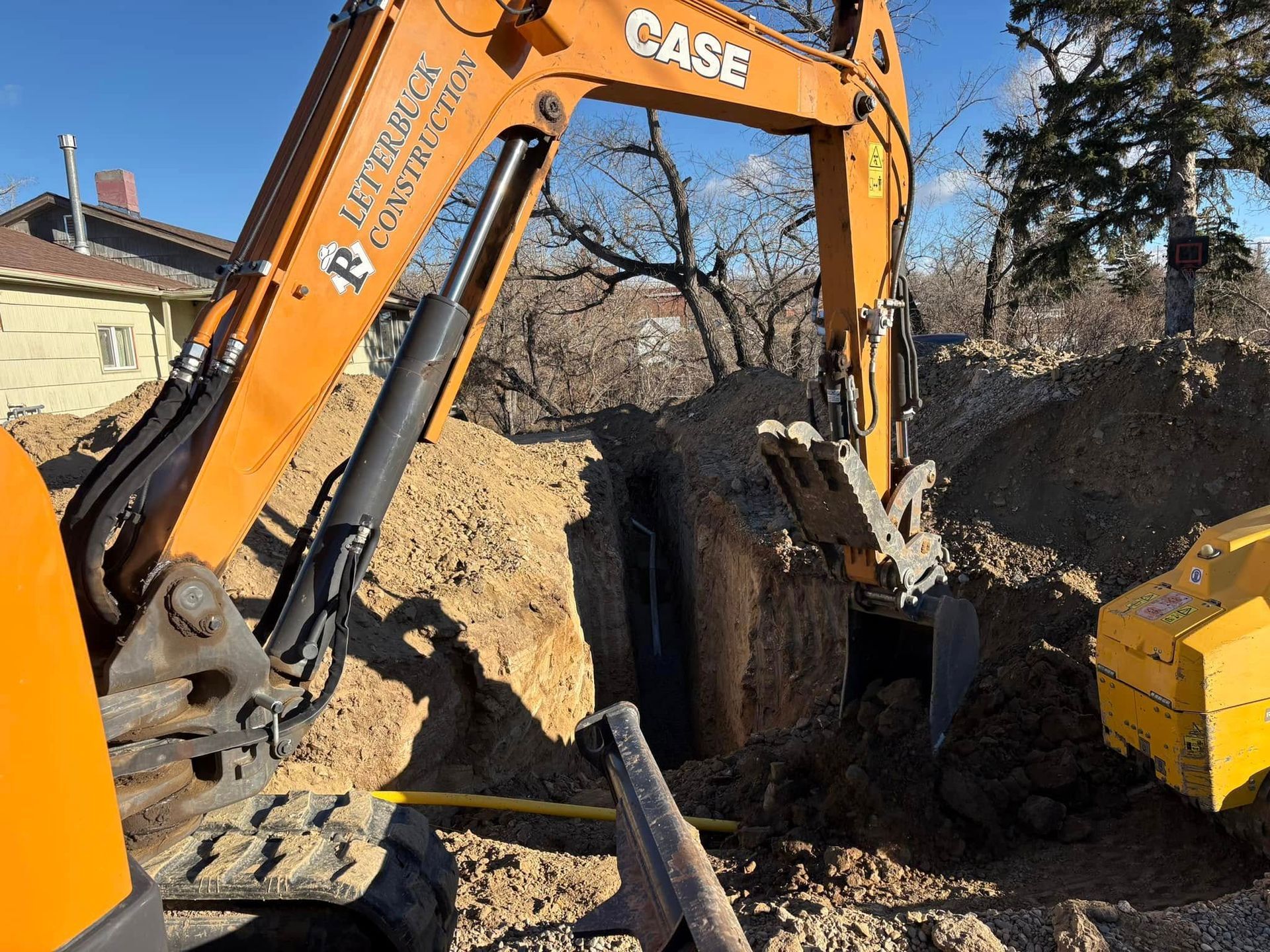
In Billings, MT, frost depth requirements dictate footing placement at least forty-two inches below grade to prevent heaving. Many hillside properties also benefit from coordinated excavation services in Billings, MT to prepare sites properly before wall construction.
Which Materials Work Best for Montana Climates?
Concrete block, poured concrete, and natural stone retaining walls all perform well in Montana when properly installed with adequate drainage and frost-protected footings.
Segmental concrete blocks offer design flexibility and interlock without mortar, allowing slight movement during freeze-thaw cycles without cracking. Poured concrete walls provide maximum strength for tall installations but require skilled forming and placement.
Natural stone walls blend with Montana landscapes and last decades when built on solid footings with proper backfill. Timber walls are less common due to rot concerns in areas with seasonal moisture, though treated wood can work for shorter installations.
Do Billings Rimrock Areas Need Special Wall Considerations?
Properties along the Rims face unique challenges from sandstone geology, steep natural slopes, and expansive clay soils that require specialized retaining wall design and site assessment.
The Rims' sandstone layers create dramatic elevation changes where walls must transition between different soil types and bedrock. Foundations may need to be keyed into competent rock rather than soil for adequate bearing capacity.
Expansive Bearpaw shale formations underlying much of the area swell when wet and shrink when dry, creating movement that can damage rigid structures. Flexible wall designs or deep excavation to stable material help address these conditions.
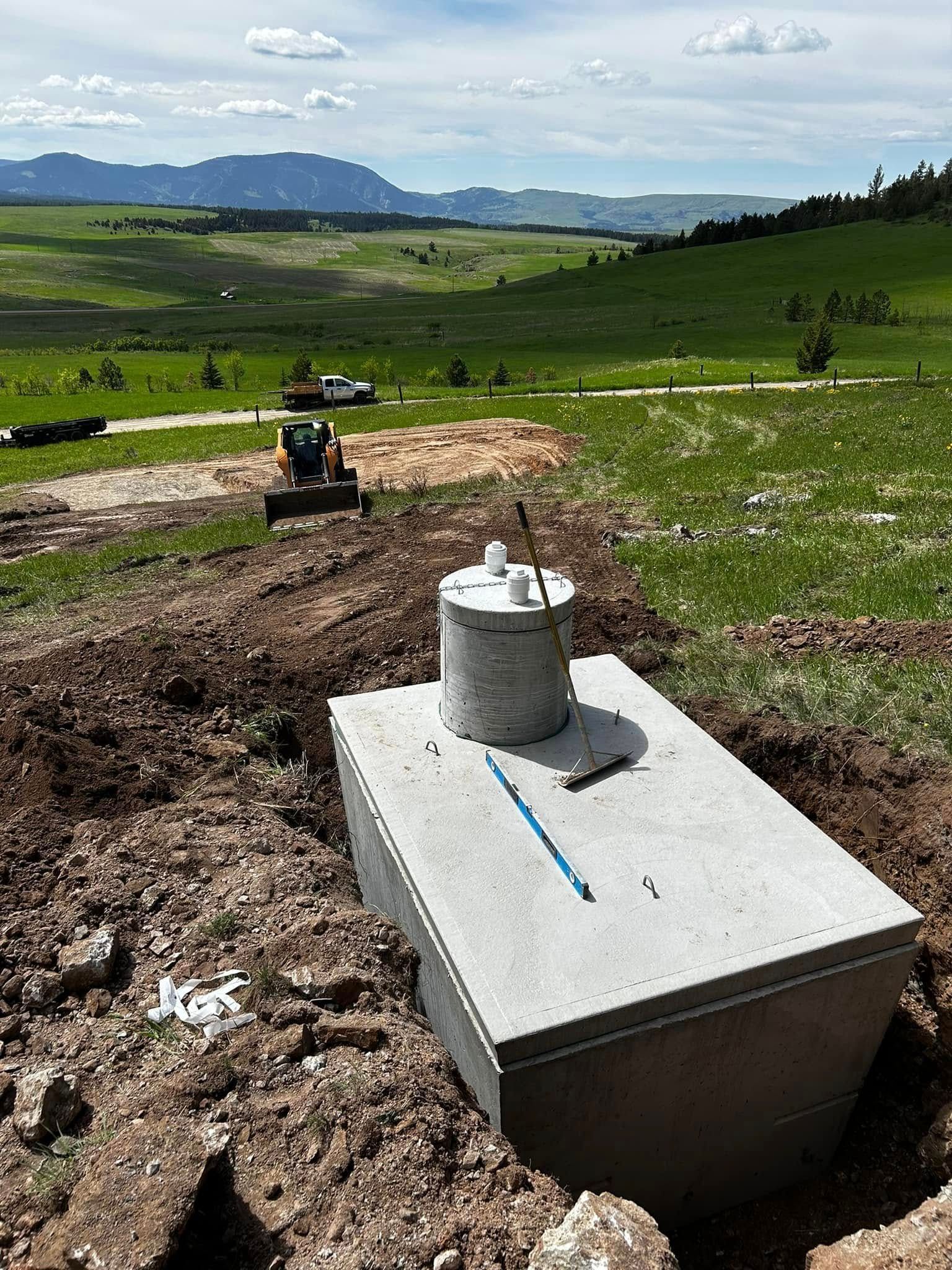
Spring seepage where water emerges from sandstone layers requires robust drainage systems behind walls to prevent saturation and pressure buildup. Many Rimrock properties coordinate wall installation with utilities septic service in Billings, MT for comprehensive site development.
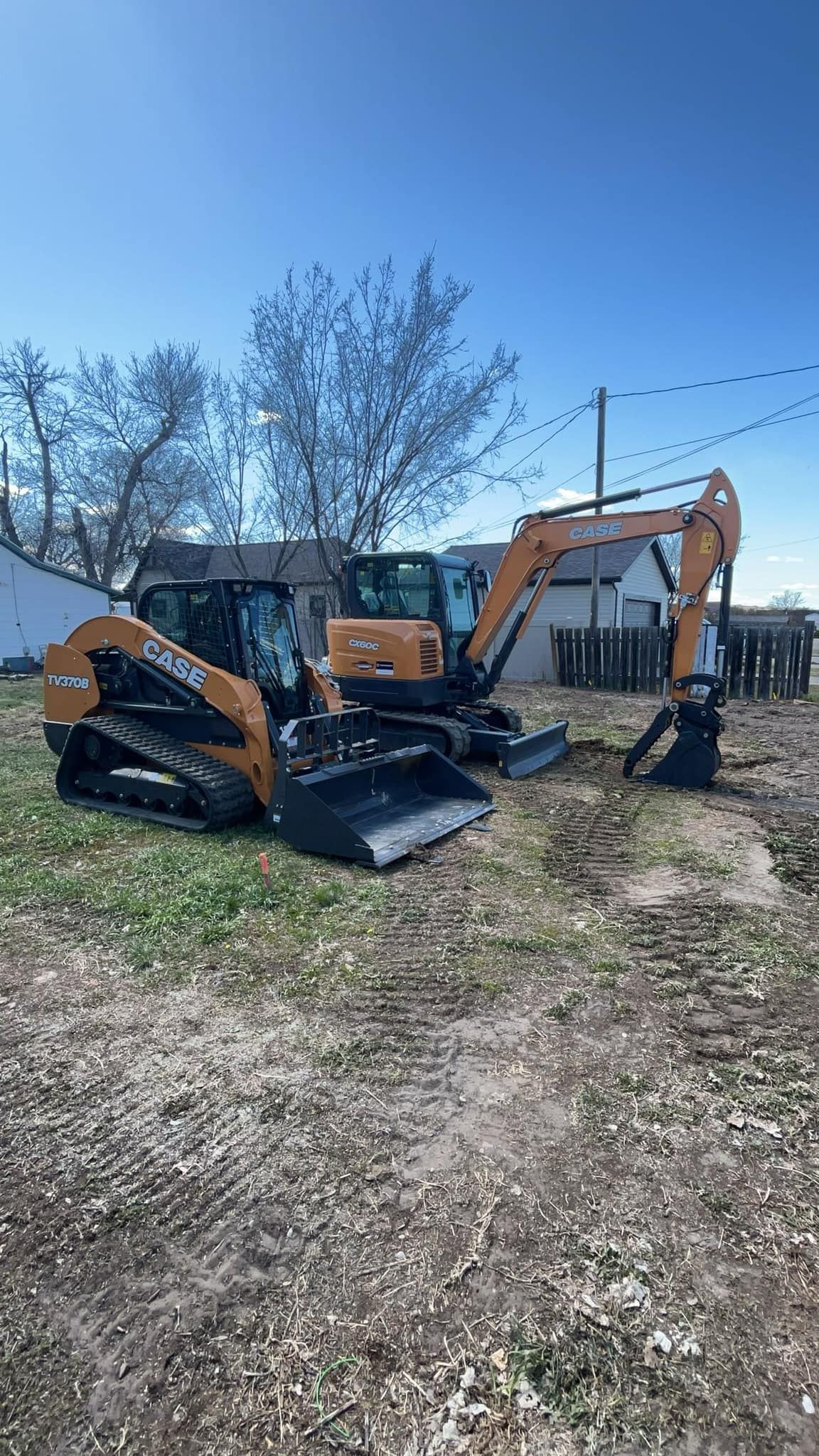
Let're Buck Construction installs retaining walls that manage slopes and prevent erosion throughout Billings, MT. Professional design and construction ensure your wall remains stable and functional for decades.
Request your slope assessment and retaining wall consultation by calling (406) 868-4572 to connect with Let're Buck Construction for expert solutions tailored to your property.